

Insights, Market Growth & Emerging Scientific Innovations
The field of anti-aging technology is evolving rapidly, driven by advances in biotechnology, artificial intelligence, personalized wellness, and regenerative research. With a growing global interest in extending not just lifespan but healthspan—the period of life spent in good health—researchers and industry leaders are exploring innovative approaches to support long-term vitality and wellness.
Market Growth & Industry Momentum
The global longevity and anti-aging sector continues to expand, reflecting strong interest from both consumers and innovators. Key trends shaping this growth include:
- Development of targeted therapies and wellness solutions aimed at supporting cellular and metabolic health
- Emerging approaches in regenerative research and precision health
- Advanced diagnostics and biomarker technologies for monitoring biological age
These trends indicate a shift from purely cosmetic treatments toward systems-level approaches for overall wellness and functional vitality.

Key Technological Directions
1. Artificial Intelligence & Data Analytics
AI is transforming how researchers and wellness professionals study aging. Machine learning and data-driven analytics are helping to identify patterns in genomics, metabolism, and lifestyle factors, which may inform precision wellness strategies.
2. Genetic Research & Engineering
Genetic and molecular research is providing new insights into the biological mechanisms of aging. While still at the research stage, these studies help scientists understand potential pathways for supporting cellular health and resilience.
3. Regenerative Science & Stem Cell Research
Ongoing research explores ways to enhance tissue maintenance and repair. These investigations remain primarily preclinical, offering educational insights into how regenerative biology may influence future wellness strategies.
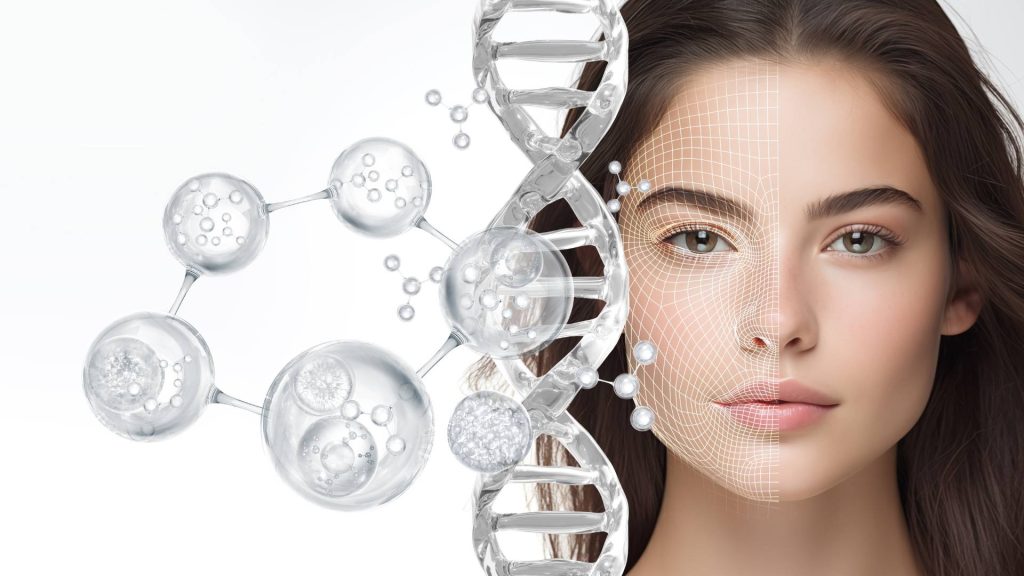
4. Multi-Omics & Biological Aging Clocks
Integrating genomics, metabolomics, proteomics, and microbiome data allows researchers to better understand biological aging processes. Emerging tools for measuring biological age may help guide personalized wellness programs in the future.
Research Frontiers
Current scientific investigations suggest exciting directions, such as:
- Using computational and network-based models to explore potential longevity interventions.
- Studying metabolic and cellular signaling systems linked to healthy aging.
- Developing precision biomarkers for monitoring wellness and functional vitality.
Note: These findings are for educational purposes and represent early-stage or preclinical research.
Industry & Scientific Signals
- AI and advanced analytics are increasingly used to explore wellness trends and potential longevity interventions.
- Personalized approaches to aging, including nutrition, activity, and lifestyle insights, are gaining attention from consumers and wellness brands.
- Global initiatives and research programs reflect growing interest in practical strategies to support long-term healthspan.
Looking Ahead
The future of anti-aging technology is interdisciplinary, combining:
- Biotechnology and regenerative research
- Artificial intelligence and data-driven wellness insights
- Genetic and molecular studies
- Personalized health optimization strategies
- Biomarker-based monitoring of functional vitality
Together, these approaches aim to support healthy, active, and resilient aging, helping individuals maximize their functional wellness throughout life.
Suggested References (Educational Purposes)
- Overviews of longevity and wellness market trends.
- Reviews on AI and technology in wellness research.
- Educational articles on regenerative science and cellular health.
These references are provided for educational purposes and do not constitute medical advice or endorsements of specific treatments.


